For businesses that export, logistics costs constitute a significant portion of total operational expenses. Elements such as shipping, warehousing, customs duties, insurance, and security costs can directly affect profit margins. Choosing cost-effective transportation methods, optimizing logistics processes, and working with the right logistics partners are among the most effective ways to reduce costs in exports. You can continue reading for tips that will help you increase your competitiveness in international trade by detailing critical topics such as more economical transportation options, the most appropriate inventory management methods, and ways to minimize customs costs.
Understanding Logistics Costs in Exports
Logistics costs do not consist of shipping fees alone. Many additional expense items such as warehousing, insurance, customs duties, packaging, logistics management, and unexpected delays are also part of the process. Therefore, it is necessary to consider logistics processes as a whole and conduct a cost analysis covering all expenses.
Hidden logistics costs can also be a major problem for exporting companies. Costs such as delayed deliveries, extra expenses due to incorrect packaging, and additional duties arising from incorrect customs procedures can lead to serious losses over time. Therefore, it is of great importance to calculate costs transparently in export processes and to identify risks in advance.
Optimizing Shipping and Cargo Costs
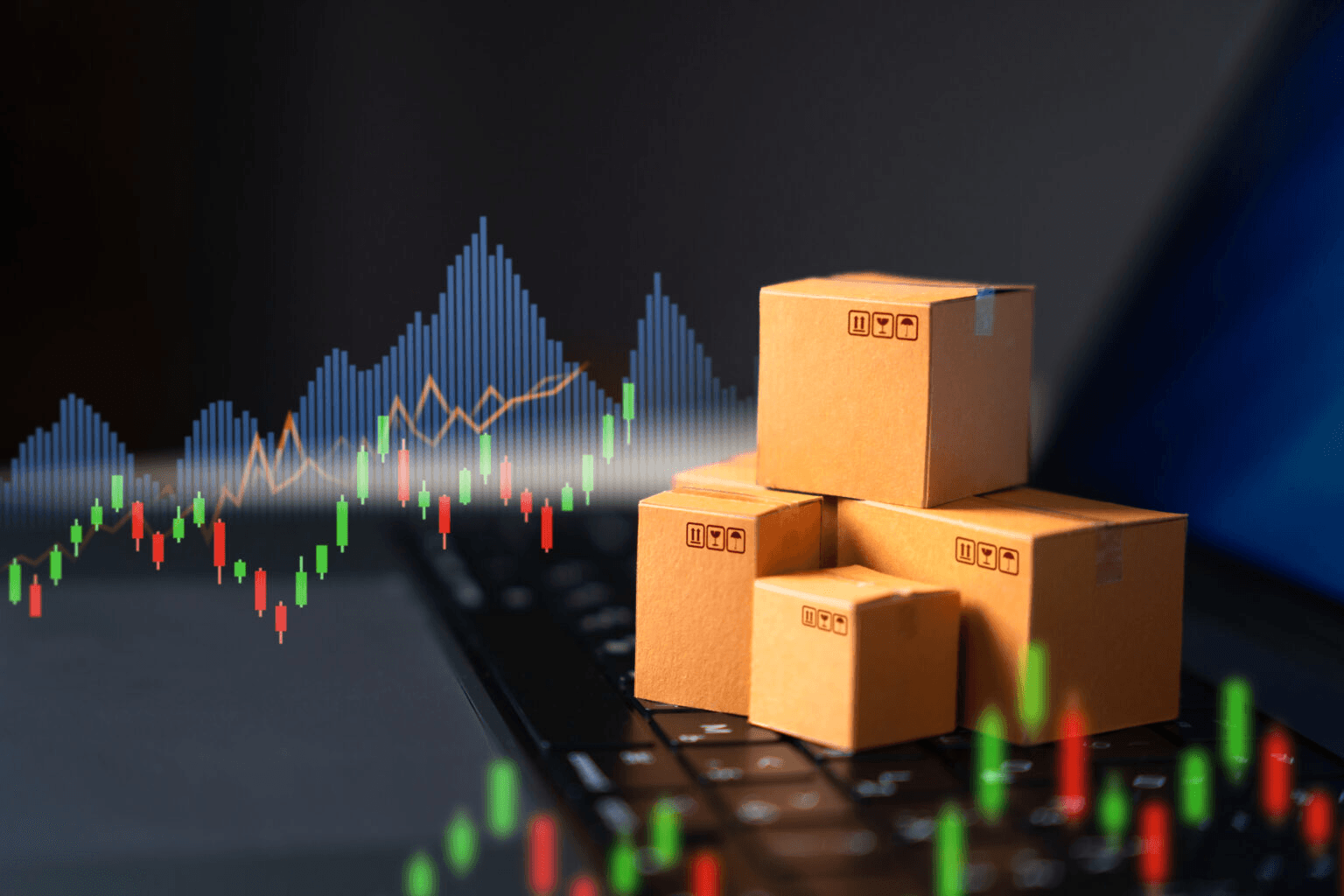
One of the most effective ways to reduce shipping costs is to choose the most appropriate mode of transport. When choosing among road, sea, air, and rail transport, delivery time, cargo volume, and costs should be taken into account. While sea transport is the lowest cost method for large-volume products, air transport may be preferred in cases where fast delivery is required.
In addition, bulk shipment planning is also an important cost reduction method. Making high-volume and fewer shipments instead of small and frequent shipments can significantly reduce shipping costs. Making special price agreements with logistics companies and optimizing transport routes can provide significant savings in the long run.
Using multimodal transport solutions is also an effective way to optimize shipping costs. By combining road, sea, air, and rail transport, the most cost-effective and efficient logistics planning can be made. For example, low costs can be achieved by using sea or rail for long-distance transport, followed by road transport for final delivery to areas close to the destination. This approach helps to both lower costs and balance delivery times. It offers a great advantage for providing flexibility in supply chain management, preventing unexpected cost increases, and making logistics processes more effective.
Inventory Management and Warehousing Strategies
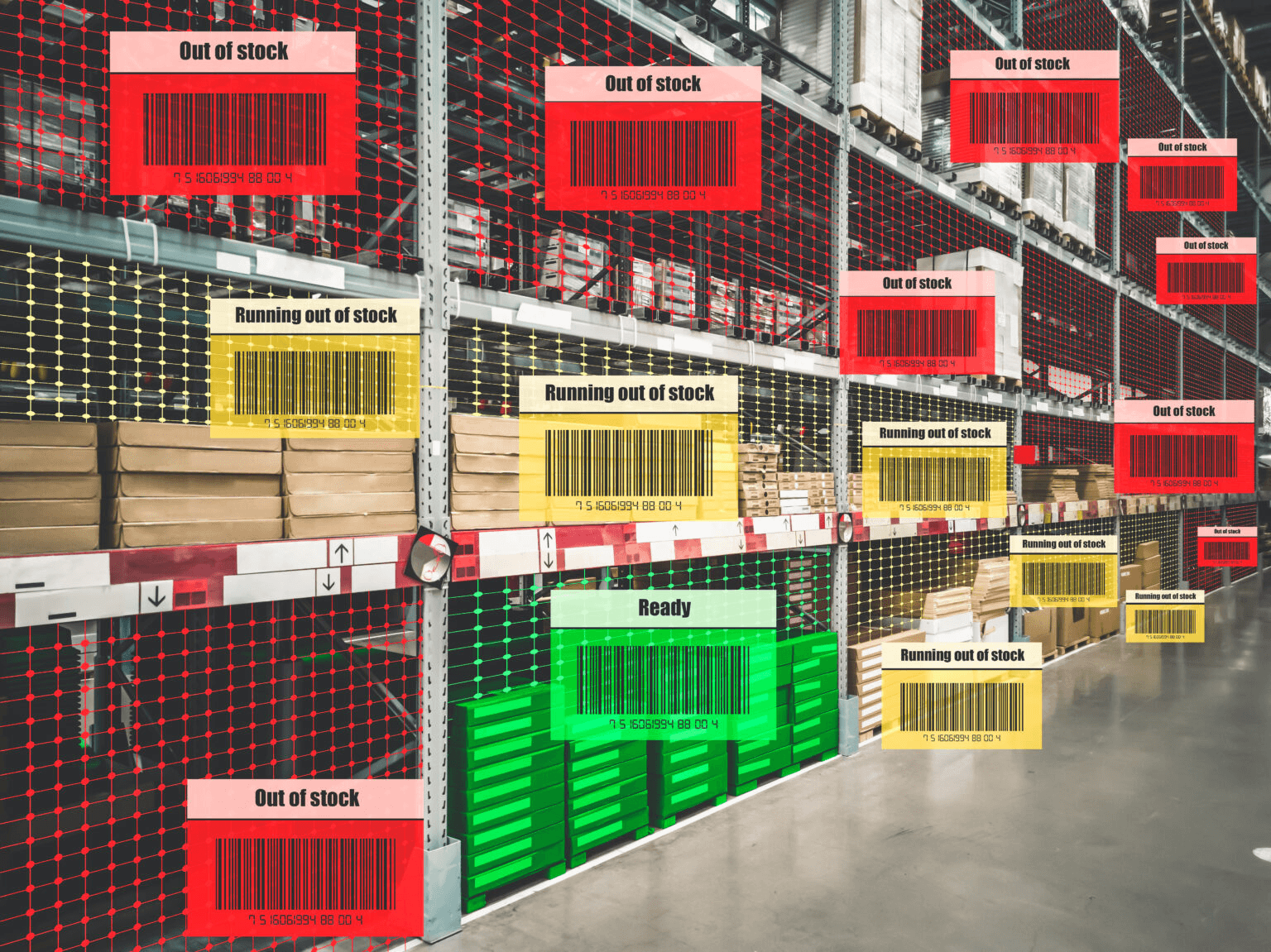
Effective inventory management helps to both lower warehousing costs and speed up logistics processes. Holding excess inventory increases warehouse costs, while inadequate inventory management can lead to order delays and loss of customers. Therefore, demand-driven inventory management and just-in-time (JIT) strategies should be implemented.
On the other hand, using local warehousing solutions can provide a significant advantage in reducing international logistics costs. For example, for companies exporting to the US and European markets, working with third-party logistics companies (3PL) that offer warehousing services in these regions can reduce shipping costs by shortening delivery times.
Using digital inventory tracking systems and automation solutions also ensures more efficient management of logistics processes. AI-powered inventory forecasting systems can help determine optimum inventory levels by analyzing demand fluctuations. In addition, inventory movements within the warehouse can be tracked in real-time with technological solutions such as RFID and barcode systems. Effective inventory management ensures both more efficient use of warehouse space and increases customer satisfaction by accelerating shipment processes.
Ways to Reduce Customs Duties
Customs duties can also be one of the largest cost items in exports. Therefore, taking advantage of benefits such as free trade agreements and customs exemptions is one of the best ways to reduce costs. For example, thanks to Turkey's Customs Union agreement with the European Union, exports can be made for many products without paying additional taxes.
In addition, managing customs processes correctly helps prevent extra costs. Fines and additional taxes that may arise due to missing or incorrect documents can cause serious delays in the shipping process. Benefiting from the customs clearance services offered by customs consultants and logistics firms ensures that the process progresses smoothly.
Lowering Insurance and Security Costs

The best way to reduce insurance costs in exports is to choose the right insurance policy and avoid unnecessary coverage. High insurance premiums can increase logistics costs. However, for some low-risk products, basic insurance options may be sufficient.
In addition, using safer transport methods can lower insurance premiums. For example, taking extra security measures for fragile or valuable products reduces loss and damage rates, thereby saving on insurance costs. Working with more reliable logistics firms can also minimize insurance requirements.
However, factors such as delivery points, transit routes, and transshipment processes should also be taken into account when determining the insurance coverage of the cargo. Especially transports passing through high-risk areas or logistics processes with frequent transshipments can increase insurance premiums by increasing the probability of loss and damage. Therefore, determining less risky routes or choosing direct delivery methods can help reduce insurance costs. Ways to Make More Profitable Logistics Agreements
Making long-term agreements with logistics companies can significantly reduce costs by providing special price advantages. Businesses that make frequent shipments can earn discounts on high-volume shipments by contracting with specific logistics companies. Especially in road and sea transport, price stabilization agreements made in advance with transport companies can reduce the impact of fluctuating shipping rates.
On the other hand, comparing different logistics companies to evaluate the best price and service options is of great importance for cost management. Logistics cost calculation tools and digital logistics platforms can help businesses find more cost-effective transport options.
Reducing logistics cost items in exports is a critical step to increase the profitability of businesses. Optimizing shipping costs, developing appropriate warehousing strategies, managing customs processes efficiently, and making logistics agreements more profitable provide significant advantages in the export process. Determining the most suitable transport method and utilizing digital logistics solutions can offer significant savings in the long run. By acting with the right logistics strategies, you can both bring costs under control and achieve a more competitive position in international trade.