
Micro-export is one of the most practical trade models, particularly allowing small and medium-sized enterprises to expand into international markets at low costs. Having a faster, less bureaucratic, and much more economical structure compared to traditional exports, micro-export has gained great importance with the growth of e-exports. This method, carried out through the electronic commerce customs declaration, provides businesses with convenience, speed, and operational flexibility. Because it does not carry the heavy document load of classic exporting, works with low shipping limits, and offers suitable shipping options, micro-export makes access to global markets possible for everyone. You too can manage your e-export processes more efficiently with the advantages offered by micro-export.
Definition and Key Features of Micro-Export
Micro-export is the process of sending shipments that fall below a certain monetary value and weight abroad under export status via an electronic commerce customs declaration (ETGB). The main feature of this model is that the extensive document processes required in classic exporting are largely eliminated. The most important point of micro-export is that shipping companies can directly manage the process as authorized operators. This allows businesses to ship quickly without having to go to the customs administration.
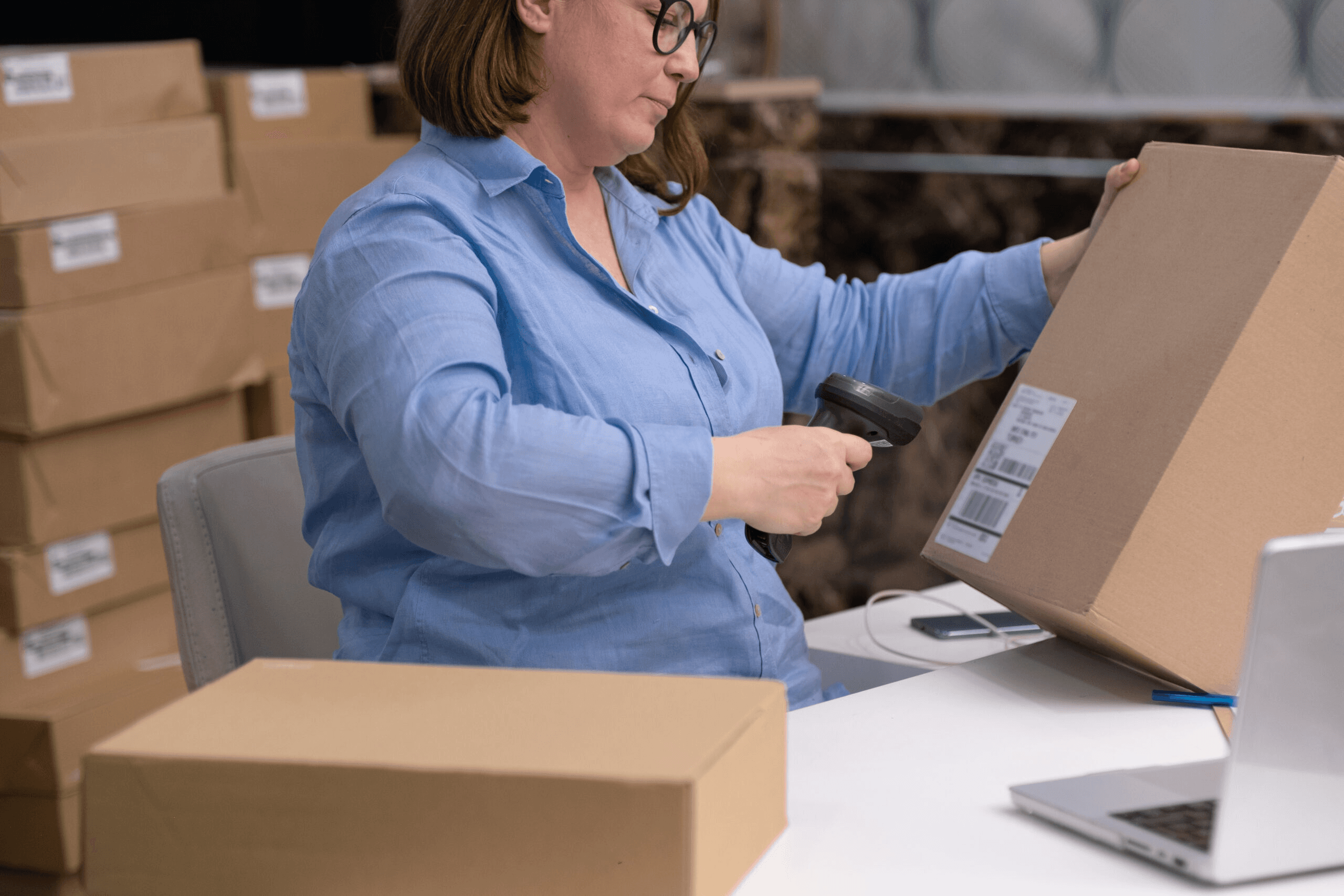
The simplified structure of micro-exports enabling small businesses and e-commerce sellers to manage international orders with ease. Products are prepared by the business and delivered to the contracted shipping company, which completes all declarations electronically and ships the shipment abroad. This structure both speeds up operations and reduces costs.
Differences Between Micro and Traditional Exporting

The biggest difference between micro-export and traditional export is the level of bureaucracy. In traditional exporting, detailed declarations, numerous documents, payment processes conducted through banks, and customs procedures are mandatory. Yet, in micro-export, the entire process is completed via ETGB using a few electronic documents.
Since micro-export is designed for low-volume shipments, it is more suitable for small businesses. Traditional export usually covers high-volume and large-scale trade transactions. Therefore, micro-export is much more advantageous in terms of both operational speed and flexibility. Additionally, shipping costs are lower and the process is much more economical in terms of time.
Shipping and Customs Advantages in Micro-Export
One of the most prominent advantages of micro-export is the simplified shipping and customs processes. For shipments made with ETGB, the customs officer checks the declaration in an electronic environment. For this reason, long waiting times present in classic exporting do not occur. Thanks to the ETGB system provided by the shipping company, businesses do not have to physically follow customs procedures.
The shipping process also works much faster. Shipping companies authorized for micro-export manage the entire process, from transporting the package to customs procedures. This model saves a great deal of time, especially for businesses engaged in e-export. Furthermore, exporting the shipment with an electronic declaration reduces the document load and simplifies the operation.
The simple and rapid progression of processes in micro-export provides businesses with great flexibility in operational planning. The ability to make international shipments even for low-volume orders allows businesses to test markets in different countries and quickly try out sales in new regions. Thus, brands seize opportunities to grow on a global scale without embarking on traditional export steps that require high investment. This practical structure reduces risks, especially for start-up businesses, offering a safer export model.
Conveniences Provided by Micro-Export in E-Export

For businesses engaging in e-export, three critical elements are fast delivery, low cost, and easy operation. Micro-export has a structure that meets all three of these needs. Especially for small-sized orders coming from global platforms, products reach the customer much faster thanks to micro-export. Businesses face fewer procedures with micro-export compared to classic exporting. Since shipments are processed directly by the shipping company, there is no need for the business to go to the customs administration. This situation provides great flexibility for small businesses. Additionally, the ETGB printout allows the business to receive a VAT refund; thus, the business can manage cost control in a more controlled manner.
Micro-export also allows businesses to adapt to international sales processes more quickly. Having the shipping company take over the entire operation from the moment the order is placed on the platform creates significant time savings, especially during busy periods. Under this speed, small businesses do not fall behind in global market competition and can respond more quickly to customer expectations. Thus, while the operational burden decreases, the business can focus more on its core activities, i.e., areas like product quality and customer satisfaction.
Additionally, micro-export allows businesses starting with low-volume shipments to gradually analyze demands in the market and place their growth strategies on a more solid foundation. Seeing which countries have higher demand, which products are consumed faster, or in which regions delivery performance is more successful gives businesses the opportunity to make more accurate strategic decisions for the future. This makes micro-export not only a logistical convenience but also a valuable market analysis tool.
Cost and Tax Advantages

Costs in micro-export are significantly lower compared to traditional export. Since document expenses, operational costs, and customs costs are minimized, an ideal structure is created for businesses operating on a micro scale. As many official procedures are automated in shipments made with ETGB, additional service fees are eliminated.
There are also serious tax advantages. Shipments made within the scope of micro-export are exempt from VAT, and the business can get a VAT refund with the ETGB document. Additionally, low transaction costs allow unit sales profit to increase. Therefore, micro-export is both a profitable and fast export method, especially for businesses doing low-volume e-commerce.
Importance of Micro-Export for Small Businesses
For small businesses, micro-export is the most practical way to expand into global markets. It offers the opportunity to reach international customers without high warehouse costs, massive shipping plans, and heavy bureaucracy. This advantage enables small businesses to engage in e-exports even with limited budgets.
Micro-export increases the competitiveness of small businesses because both the delivery process and the documentation process are fast. This speed increases customer satisfaction and helps the business achieve a stronger position on global platforms. Thanks to the flexibility offered by micro-export, businesses can deliver their products to feedback world markets without any trouble.
Points to Consider in Micro-Export Processes

Micro-export offers great advantages when managed correctly, but some critical points must be followed diligently. Declaring products with correct HS/GTIP codes, ensuring invoice information is clear and complete, and making sure shipment contents comply with country legislation are decisive in the process. Incorrect or incomplete declarations can prolong wait times at customs and create additional expenses for the business.
The weight and value limits of shipments must also comply with micro-export rules. Businesses should carefully review the ETGB rules provided by the shipping company and plan packaging accordingly. Choosing the right shipping solution to ensure fast delivery in micro-export is also very important; because delivery time directly impacts customer satisfaction.
Micro-export offers significant advantages like low cost, speed, flexibility, and operational ease for businesses engaged in e-export. Enabling entry into international markets without the complex processes required by traditional exports, this model makes it easier, especially for small businesses, to join global competition. Thanks to correct declarations, right shipping choices, and careful management of ETGB processes, micro-export both provides cost advantages to businesses and contributes to customer satisfaction by increasing delivery speed. You too can make your e-export processes more professional, faster, and more efficient by utilizing these operational conveniences provided by micro-export.