In the logistics sector, LTL (less-than-truckload) and LCL (less-than-container-load) partial transportation is one of the most suitable solutions for businesses making low-volume cargo shipments. Companies that do not need a full container or a complete truckload can find cost-effective shipping solutions by paying only for the space they occupy using this method. Particularly in international trade, partial transportation helps small and medium-sized enterprises (SMEs) optimize their shipping costs.
Partial transportation is the consolidation and transport of shipments belonging to multiple businesses in the same transport vehicle (truck, ship, or aircraft). This method offers an economical logistics solution for low-volume and small-scale cargo. Especially in the logistics industry, partial cargo shipping provides significant advantages for companies that make frequent shipments but do not require full-capacity transport. If you are also curious about the advantages of partial transportation, which businesses it is suitable for, its cost benefits, and delivery processes, we can take a look at the details together for the most efficient shipping methods.
What is Partial Transportation?
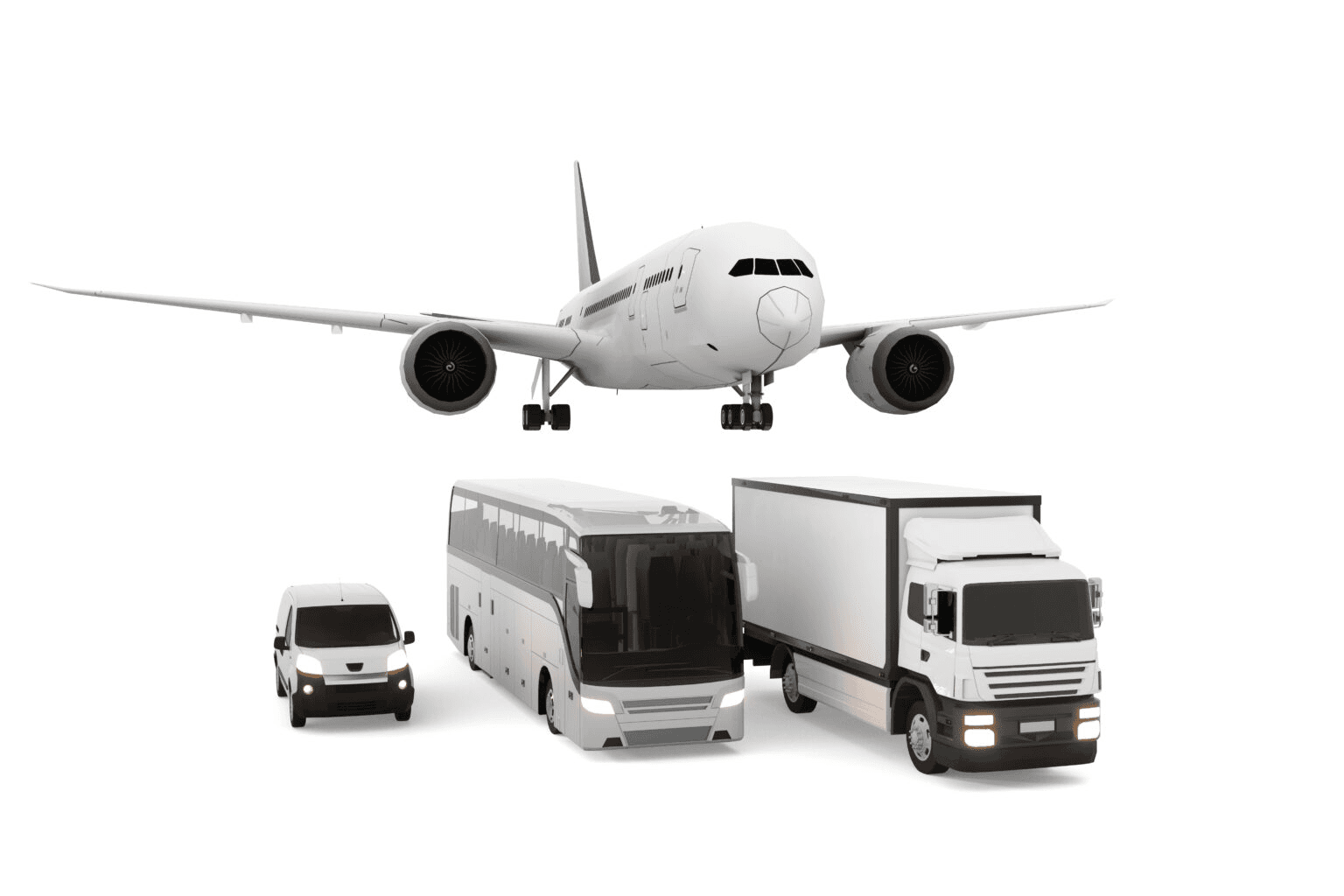
Partial transportation is a shipping method where cargo belonging to multiple customers is combined and transported within the same vehicle when a transport vehicle (truck, ship, aircraft) is not filled to its maximum capacity. In this way, businesses can reduce their transportation costs by paying only for the volume occupied by their cargo. This method can be applied in sea, road, air, and rail transportation.
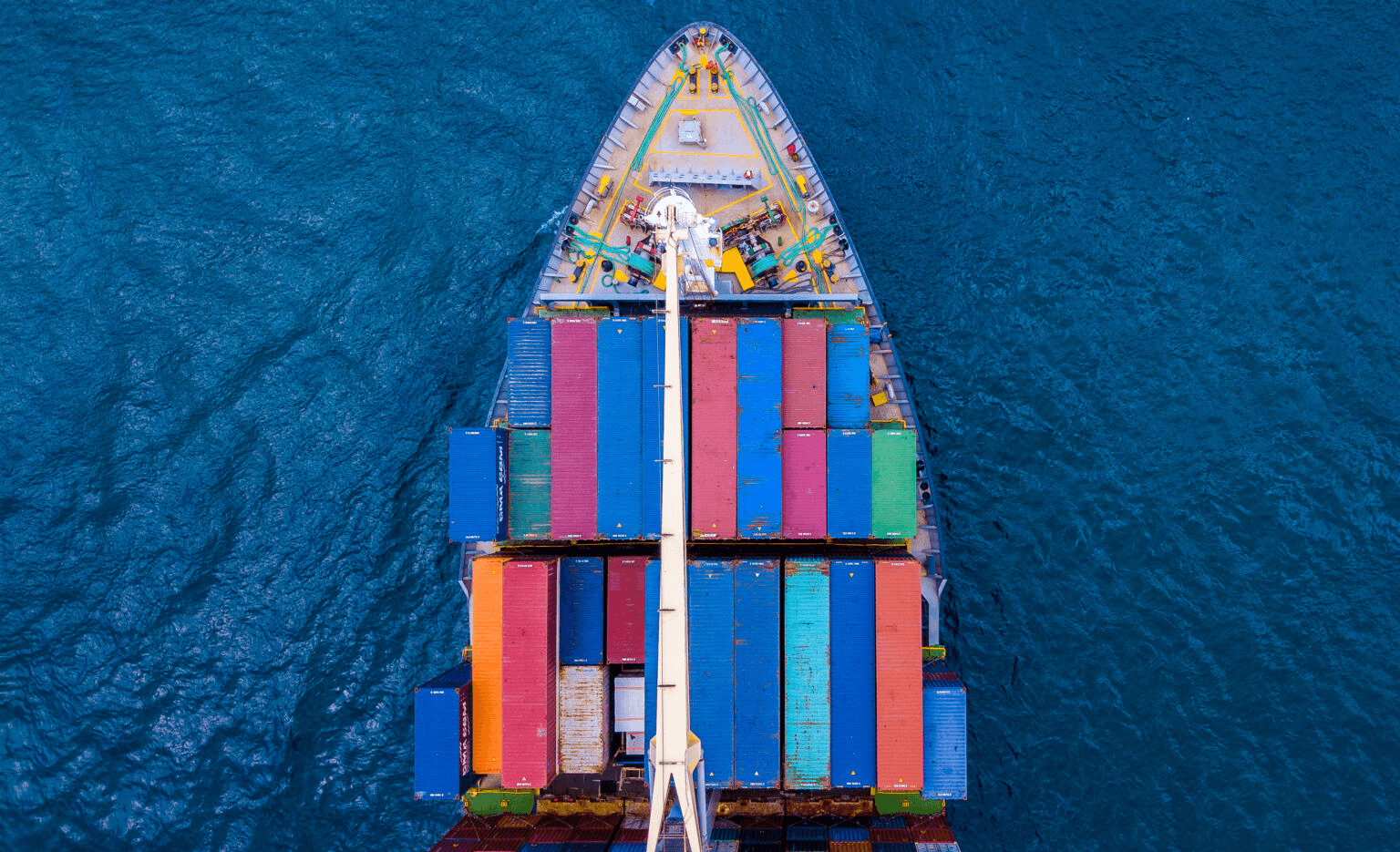
Sea freight partial transportation (LCL - Less than Container Load) enables the combined transport of cargo that does not fill an entire container. Road freight partial transportation, on the other hand, is done by bringing together cargo that needs to be delivered along the same route in the same vehicle. Especially small and medium-sized enterprises, companies making regular but low-volume shipments, and e-commerce businesses can send products to international markets at more affordable costs using the partial transport method.
Advantages and Disadvantages of Partial Transportation
One of the biggest advantages of partial transportation is that it offers a low-cost logistics solution. Instead of filling a transport vehicle to full capacity, you can minimize shipping costs by paying only for the space you occupy. This provides a great advantage, especially for small and medium-sized enterprises (SMEs) and companies that make regular but low-volume shipments. In addition, by making more frequent but smaller shipments, it becomes possible to optimize inventory management and reduce warehousing costs. Thus, fast, cost-effective, and flexible logistics solutions are provided, especially for businesses operating in the e-commerce sector.
Moreover, partial transportation is an environmentally friendly logistics method. Transporting multiple shipments with the same transport vehicle contributes to sustainable shipping practices by reducing carbon emissions. Especially in international trade, partial transportation is a very common system thanks to the extensive transport networks of logistics companies. Companies wishing to expand into global markets can reach a wider customer base by working with international logistics providers. Additionally, its adaptability to different transport modes such as sea, road, and air makes partial transport a flexible and scalable choice.
One of the biggest disadvantages of partial transportation is that delivery times are longer compared to full-load transportation. The main reason for this is that compiling cargo belonging to different customers, directing them to different destinations, and transfer operations take more time. Especially in international shipments, delivery times may be extended due to additional processes such as customs procedures, route planning, and directing cargo to distribution centers. For products requiring urgent delivery, partial transportation may not always be the fastest solution. Therefore, it is important for businesses to plan by taking shipment times into account.
Additionally, the increased complexity of loading and unloading processes is another disadvantage of partial transportation. Since cargo from multiple customers is located within the same transport vehicle, there may be separate unloading points for each shipment. This can make logistics operations more complex and increase waiting times during delivery. On the other hand, transporting different cargoes together can increase the risk of damage to shipments during improper stacking or transfer. Especially when partial transportation is carried out for breakable or sensitive products, it is necessary to take appropriate packaging and protective measures. To minimize such risks, it is important to work with companies that manage loading-unloading processes carefully and offer insured transport services when choosing a logistics company.
Which Businesses Is It Suitable For?

Partial transportation is one of the most suitable shipping methods, particularly for small and medium-sized enterprises (SMEs), companies sending low-volume cargo, and e-commerce sellers.
• E-commerce Companies: Businesses with regular but small-volume orders can expand into global markets at affordable costs thanks to partial transportation.
• Manufacturing and Production Companies: Medium-sized manufacturers can use partial shipping to send smaller batches of cargo instead of large orders.
• Businesses Expanding into New Markets: Companies entering a new market can export with a more affordable budget by avoiding high logistics costs.
Partial shipping is one of the most suitable solutions for any business that does not fill the transport capacity but makes low-volume shipments.
Reducing Costs with Partial Shipping
Partial shipping significantly reduces costs compared to full-load transportation. Since logistics expenses are one of the biggest factors directly affecting the profit margin for businesses, partial transportation offers cost-effective shipping solutions. Its primary advantages can be summarized as follows:
• Savings on shipping costs are achieved by paying only for the space occupied by the shipped products.
• Combining different cargoes to be sent along the same route lowers transport costs, ensuring more economical logistics management.
• Since cargo is sent in frequent shipments thanks to partial shipping, the requirement for large-scale storage is reduced.
• This is one of the most economical shipping solutions, especially for businesses entering new markets.
Delivery Times and Customs Processes
Partial transportation stands out because it can take longer to complete compared to traditional full-load transportation. This is because combining different cargoes and transfer operations can take time. However, with correct planning, the delivery time can be optimized. Customs procedures are a critical process in partial transportation. Since each customer's cargo is invoiced separately, customs documentation must be complete. Pre-prepared digital declarations and automated customs systems can speed up processes. In sea and road partial transportation, customs processes are usually completed at a central point to optimize delivery time.
Leading Companies in International Partial Transportation
Companies offering international partial transportation services provide great advantages to businesses with their strong distribution networks and cost-effective solutions. Some of the leading partial logistics companies are:
• DHL Global Forwarding: Offers fast and reliable international partial transportation services.
• UPS Freight: Famous for its partial transportation solutions in the US and Europe.
• Maersk LCL: Possesses a strong network in sea freight partial transportation.
• FedEx Trade Networks: Offers solutions with an appropriate partial transportation guide for e-commerce companies.